Visibility · 5 min read
Get found: your menu on Google and co.
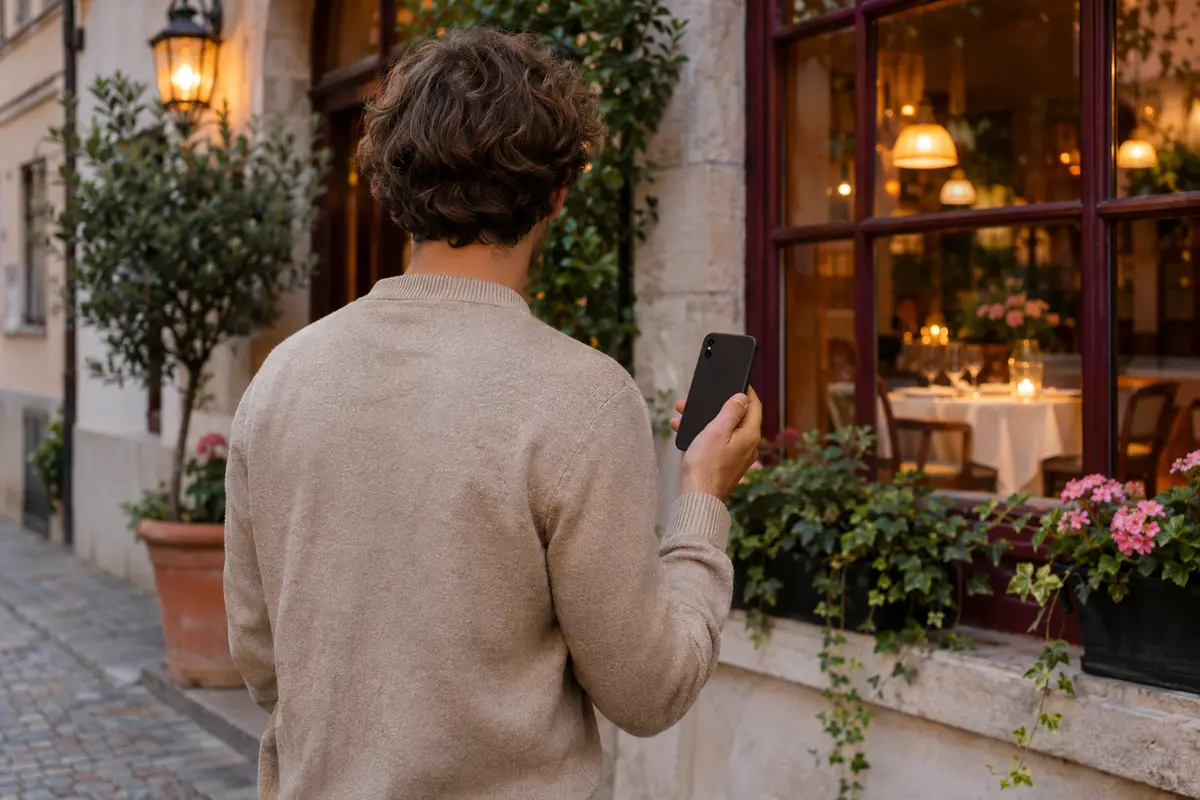
Many guests search first and come later. If they see your menu while searching, they know what to expect.
Your Business Profile first
For searches for restaurants nearby, your Google Business Profile is the most important place. Add the link to your menu there and keep your hours up to date.
A menu search engines can read
Search engines and AI assistants read text. A menu web page with real dish names, descriptions and prices is easier for them to understand than a scanned image or a large PDF.
Structured data following schema.org helps as well: it describes in a machine-readable way that this is a restaurant with an address and a menu with dishes and prices.
You decide whether the menu appears
Not every restaurant wants its menu in search results. That's why it is off in Plateclick until you turn it on under “Share & QR”. We then add your menu to our sitemap and include your address in the structured data.
Whether and when a search engine actually shows the menu is up to the search engine. Turning it off works right away on our side; it often takes a few days to disappear from results.
Your website ties it together
If you have your own website, link the menu prominently or embed it directly. Your website then always shows the current menu without you keeping two copies.
What really helps
Fake reviews, keyword lists or hidden text tend to hurt. Good information for guests is good information for search engines too.
- Clear dish names instead of numbers
- Short descriptions with the main ingredients
- Current prices and opening hours
- Labels such as vegetarian or vegan where they are true